Who and what shapes my thinking
Built from the transcripts of ~780 liked YouTube videos (~670 hours) plus a decade of subscriptions the data can't see. Start with the Influence Map.
Layered thinkers that build my worldview
How I Think About Reality
I trust modern physics because it works.
Quantum Field Theory and General Relativity explain almost everything we can measure, and they're tightly constrained by experiments. I treat them as locally true but not final — excellent descriptions of reality as we experience it, not necessarily the deepest layer underneath.
I'm open to the idea that there's something more fundamental below them.
Simulation theory makes that plausible, not as sci-fi, but as a statistical argument: if advanced civilizations can run many simulations, it's more likely we're inside one than at the base level. That doesn't tell us how reality is implemented — only that it may have a deeper source.
I find Stephen Wolfram's ideas interesting because discreteness, causality, and emergence from simple rules feel right. But I'm cautious. Historically, humans tend to mistake their most powerful current technology for the universe itself. Saying "the universe is literally a computer" feels a lot like past metaphors that didn't age well.
What matters most to me are constraints.
No matter what reality is made of, information is physical, entropy is real, energy must be conserved, and limits matter. Any true theory has to pay those bills.
I believe emergence is real — not as a hand-wave, but as structure arising from constraints. Continuity, classical physics, geometry, and maybe even computation itself could be emergent rather than fundamental.
Most importantly, I stay agnostic about the substrate.
I'm comfortable saying: there is probably a deeper process — and we don't yet have the right metaphor for it.
That's not indecision. It's how science usually makes progress.
One-sentence summary:
Reality seems to be generated by a deeper process, constrained by information and energy limits, appearing to us as quantum fields on curved spacetime — and while it may behave computationally, mistaking that behavior for the underlying machinery is probably the classic human mistake.
Ontological & Epistemic Stance (Compact Specification)
Accepted Effective Theories
- Quantum Field Theory (QFT): valid, experimentally constrained, locally accurate, globally incomplete
- General Relativity (GR): valid at large scales, geometry–energy accounting, known breakdown at singularities
Interpretation
- QFT and GR are treated as effective interface theories, not final ontology
- Domain-truth > absolute truth
Simulation Theory
- Accepted as a selection / statistical argument
- Rejected as an implementation claim
- Clear separation between:
- Why reality may be structured
- How that structure is implemented
Wolfram-Style Discreteness
Positives:
- Discreteness plausible
- Causality-first framing plausible
- Emergence from simple rules plausible
Rejection:
- Literal identification of universe = computer
- Overconfidence in contemporary computational metaphors
Stance: Gesturing toward something real, form likely incorrect or incomplete
Core Constraints (Non-Negotiable)
- Information is physical
- Entropy is real
- Energy conservation applies
- Horizons and limits are fundamental
- Any substrate must satisfy these constraints
Emergence
- Treated as a rule, not an excuse
- Accepted as constraint-driven structure formation
- Candidate emergent phenomena: Continuity, Classicality, Geometry, Possibly computation itself
Substrate Position
- Explicit agnosticism
- Belief in a deeper generating process
- Rejection of premature metaphor fixation
Rejected Frameworks
- String theory as explanatory necessity
- Multiverse as explanatory escape hatch
- Consciousness-first physics
- Mathematical Platonism
Guiding Heuristic
"Reality charges rent."
Explanations must survive constraint accounting and historical failure modes.
Ultra-Short Summary
Effective theories accepted; substrate unknown; information-theoretic constraints enforced; emergence preferred over literalism.
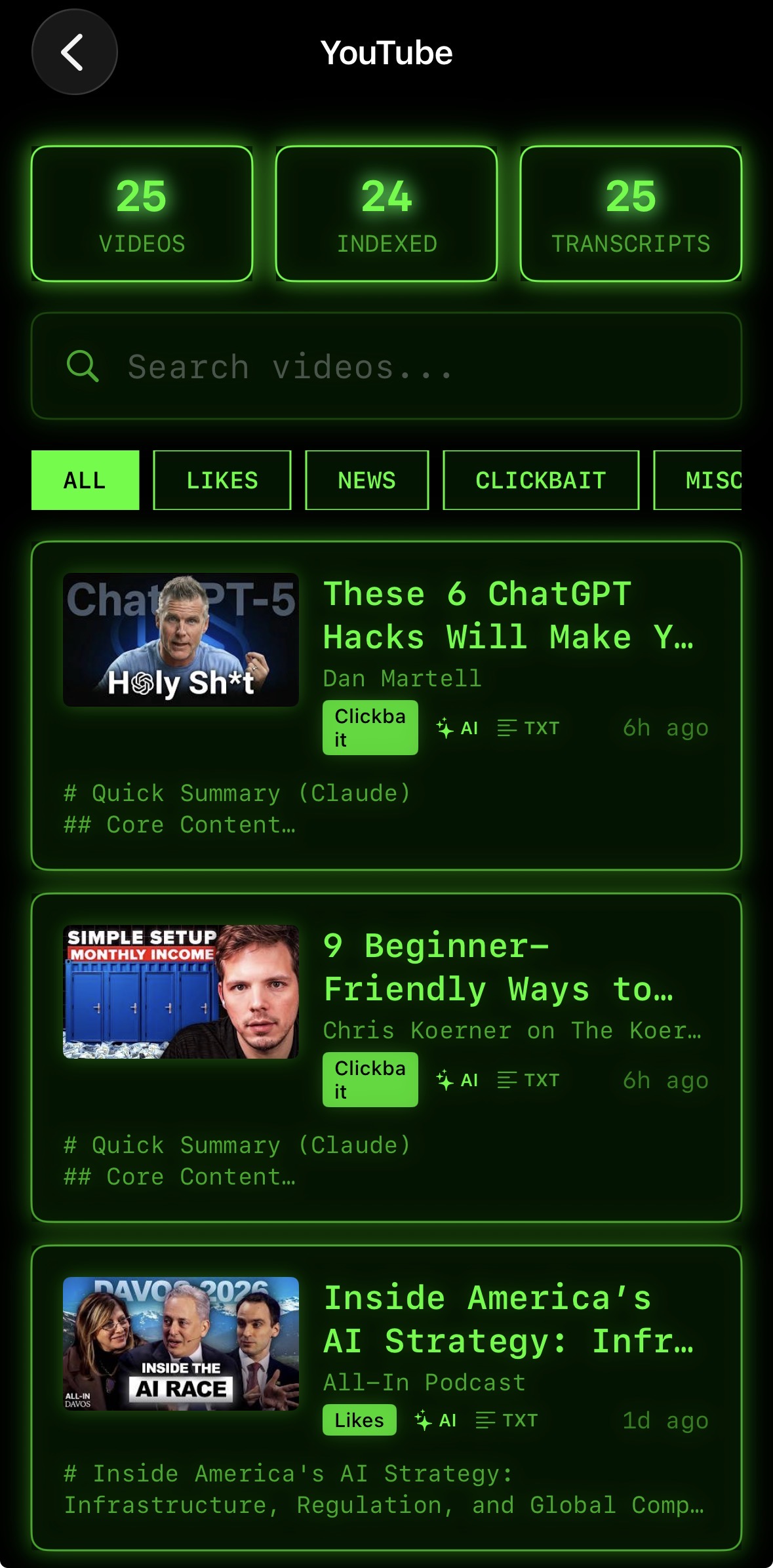
StarDeck OS
Personal operating system consolidating health, launches, movies, weather, and vehicle data into one iOS app.
Replaced 9 separate apps and data sources with a unified backend.
Built for one user. Not a product—an infrastructure.
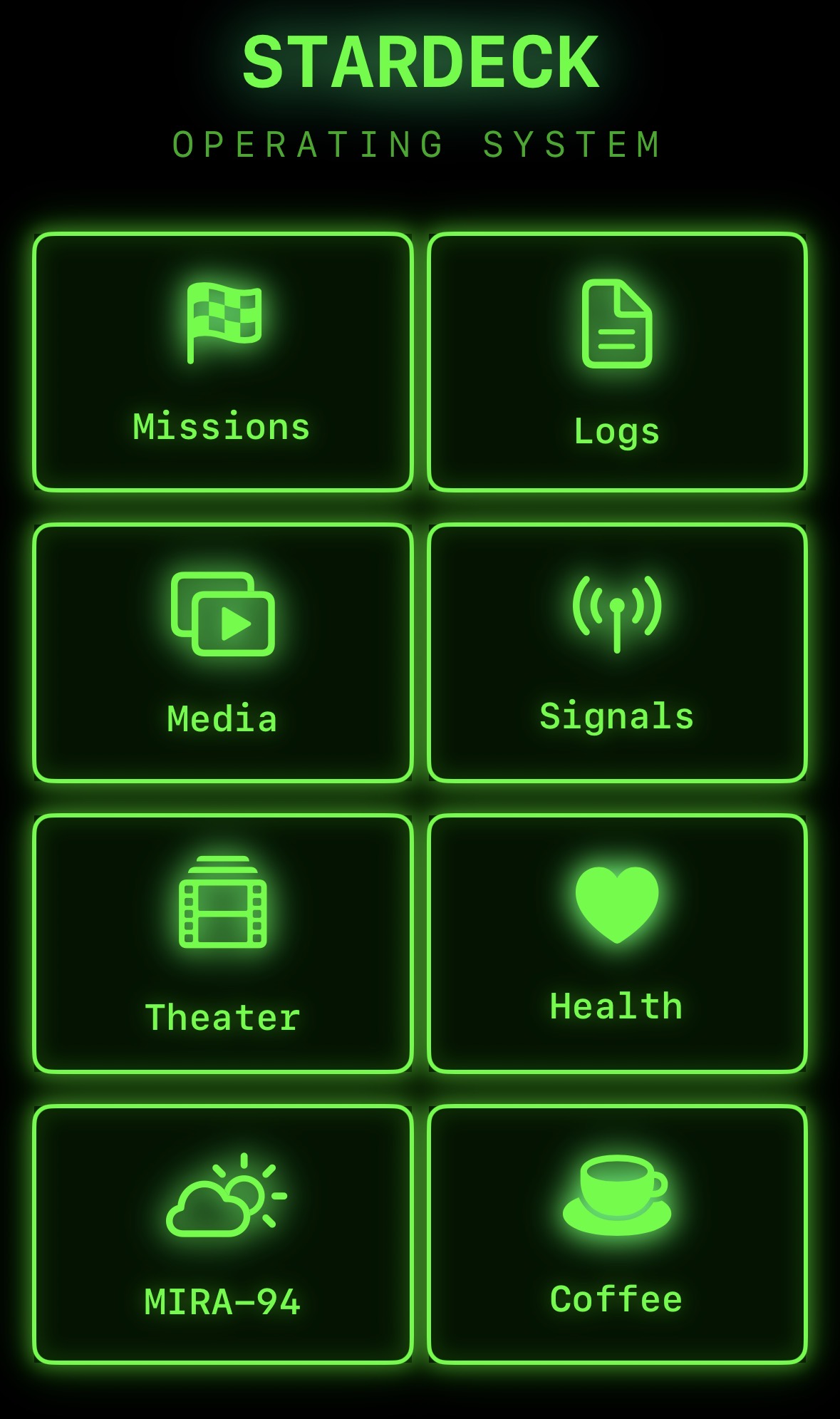
Coffee Label Generator
Generates print-ready labels for home-roasted coffee bags with origin, roast date, and tasting notes.
Replaced handwritten labels with consistent, designed output.
One click to PDF. Ready for the bag.
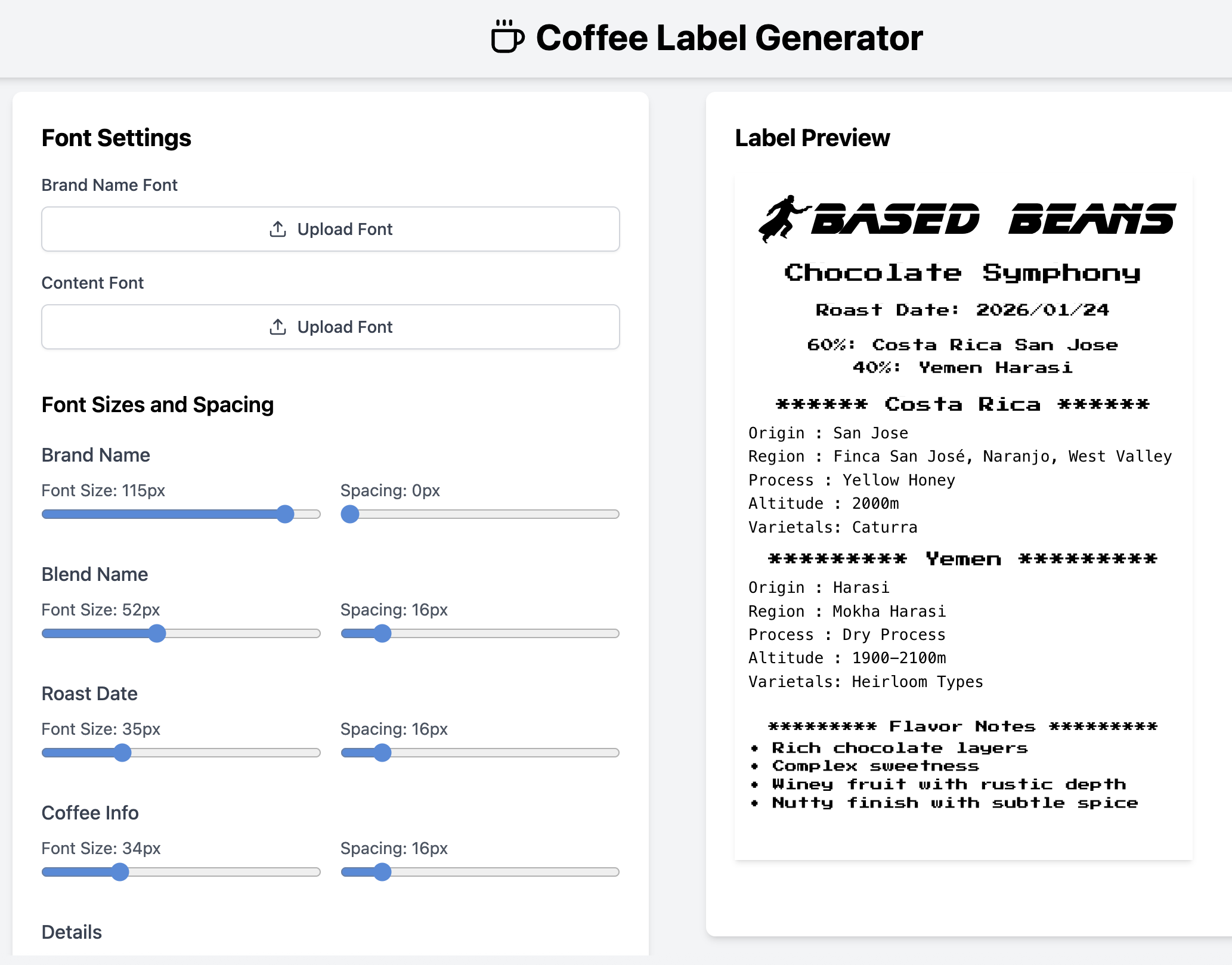
Coffee Operations
Home roasting tracker handling inventory tracking, roast logs, cupping notes, and media management.
Replaced notebooks with structured roasting data.
Track every bean from bag to cup.
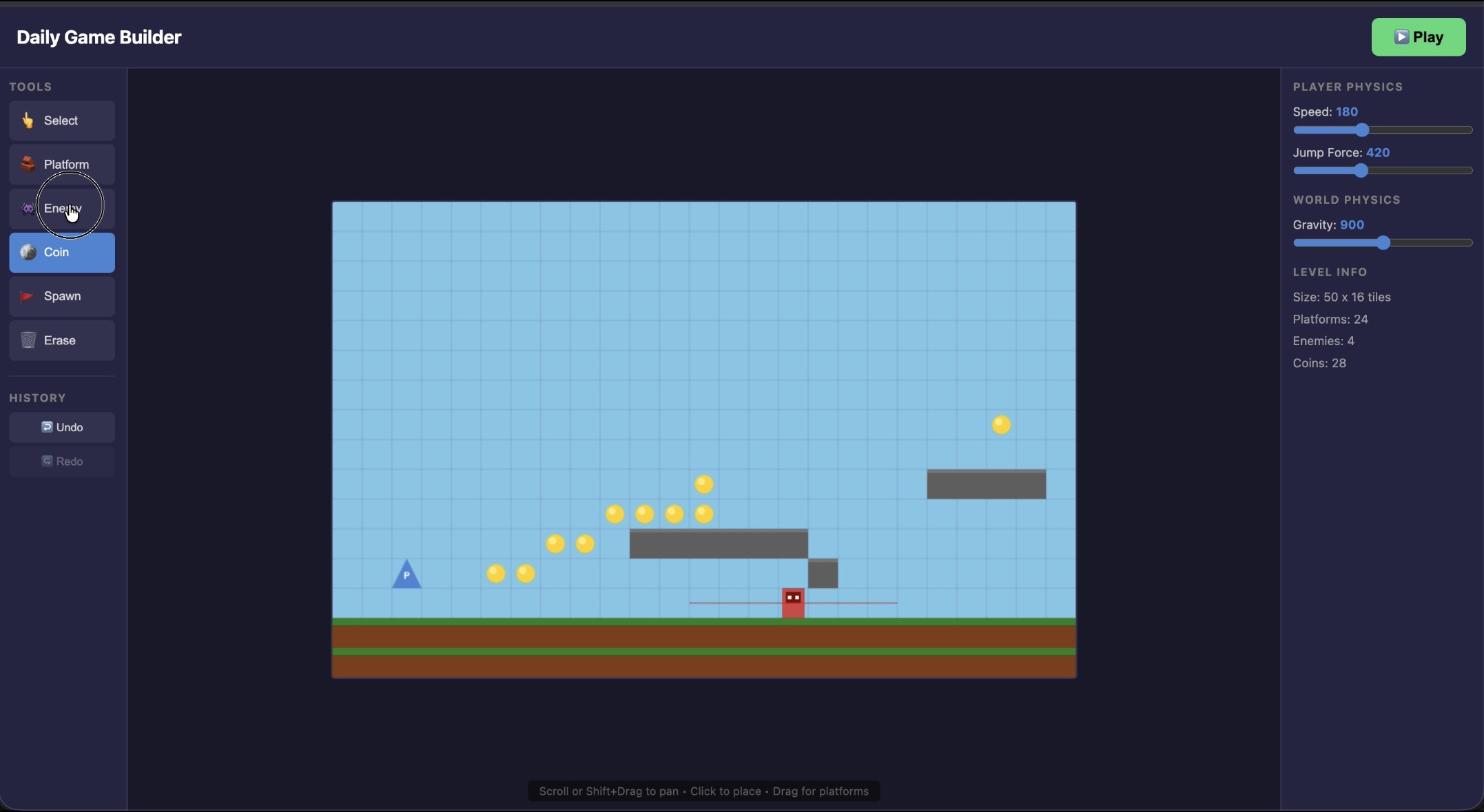
Daily Game Builder
Collaborative video game maker where friends build Mario-style platformers together, one game board per day.
Replaced scripting with sliders and grid placement.
No scripting. The game is data, not code.
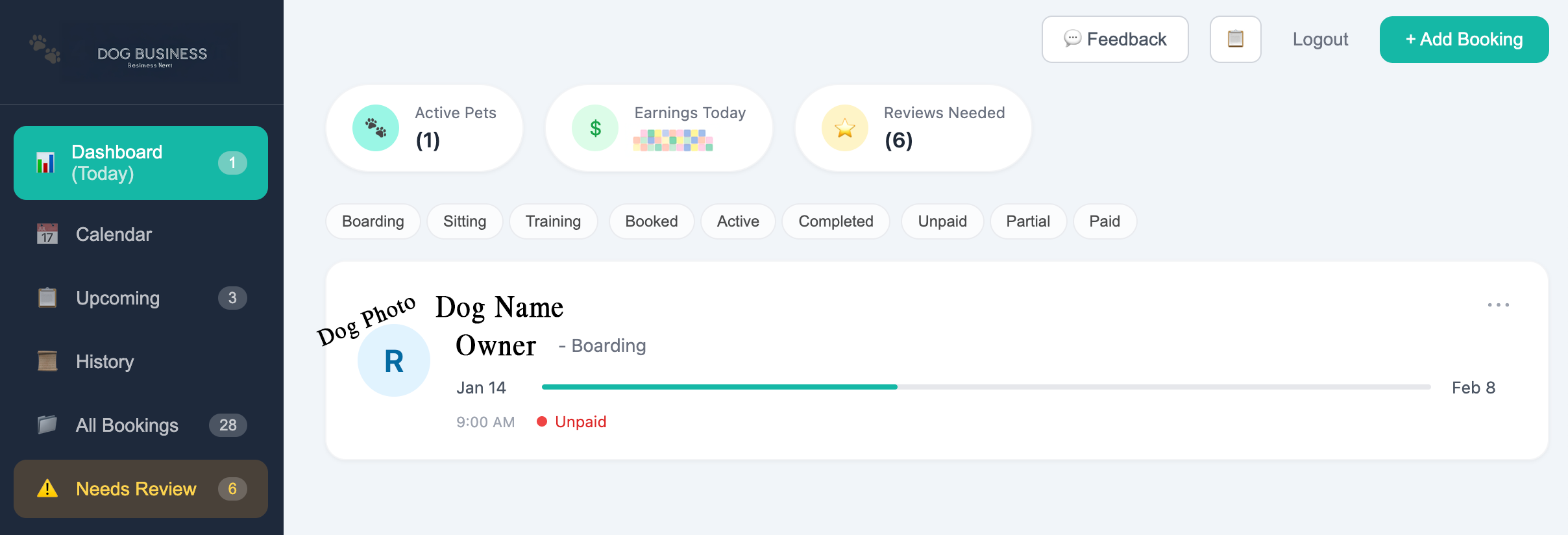
Dog Ops
Single-screen operations board for a solo dog trainer / boarding business.
Replaced pen-and-paper booking with tracking, surfacing relevant info on Daily/Weekly/Monthly timescales, with payment & revenue tracking.
No accounts. One password. Actionable data.
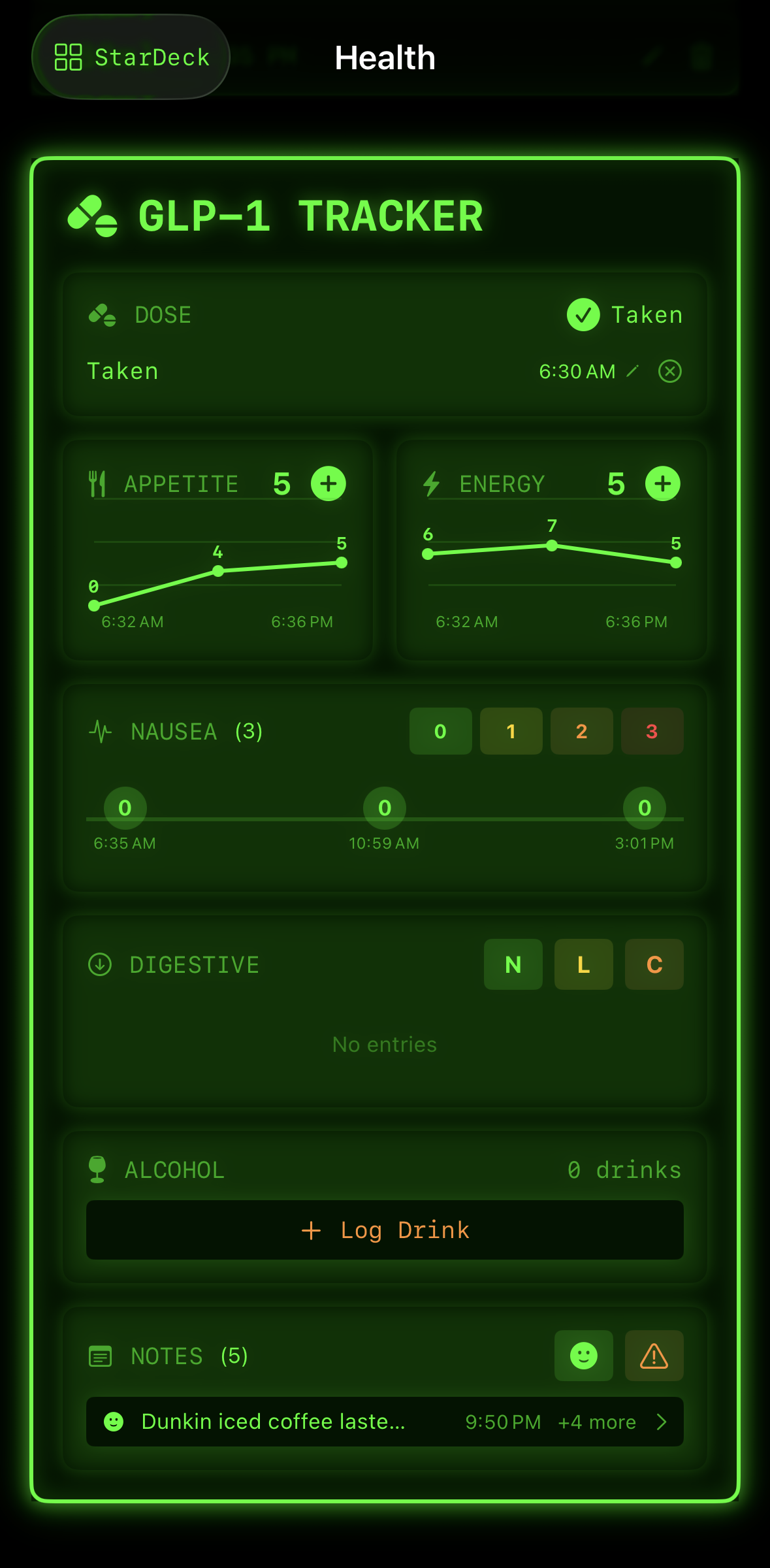
GLP-1 Tracker
Health module tracking GLP-1 medication doses, appetite, energy, and symptoms over time.
Replaced sporadic notes with daily structured tracking.
Built for someone I care about. Personal software.
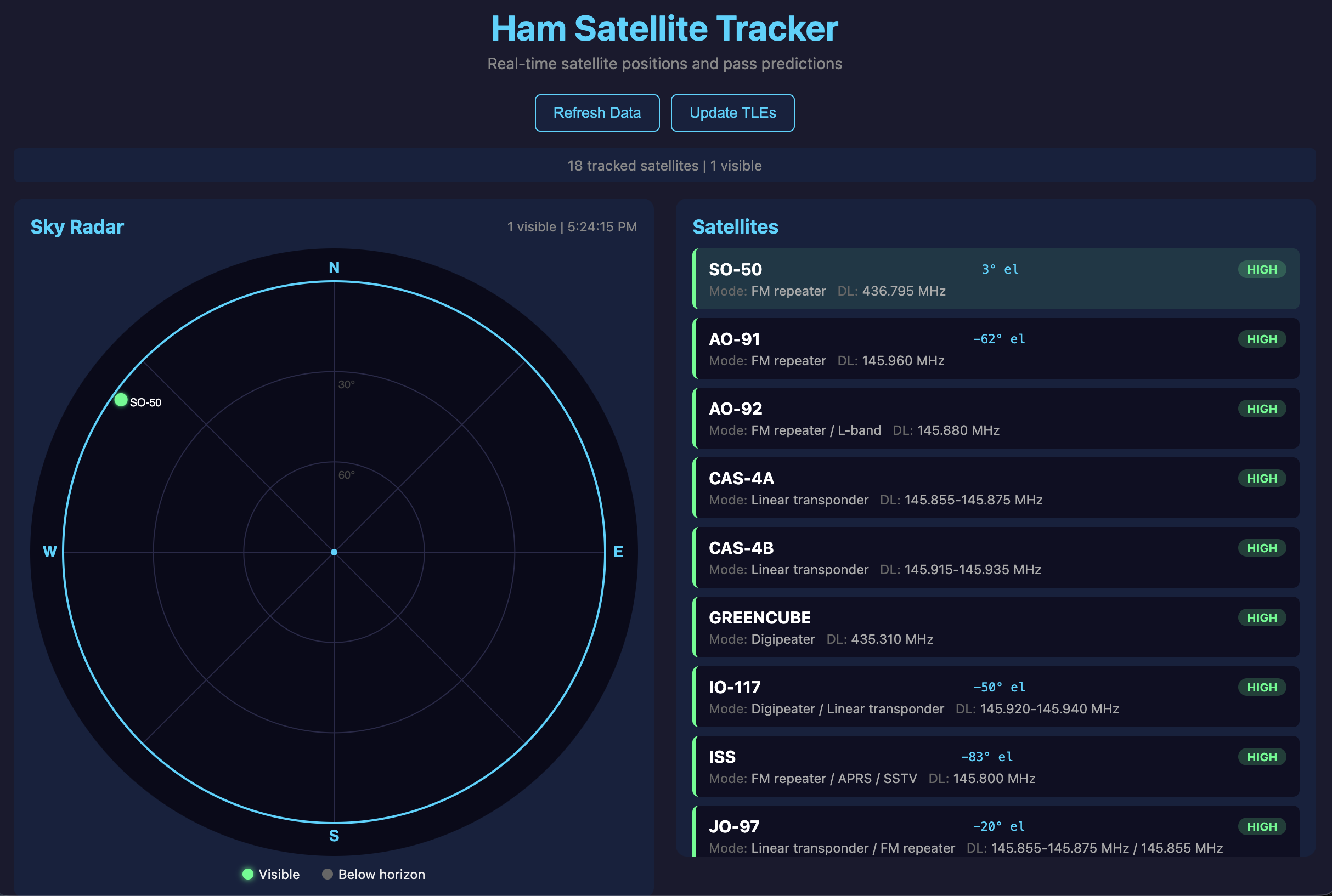
Ham Radio Satellite Tracker
Local app tracking amateur radio satellites with SGP4 orbital propagation and pass predictions.
Replaced web-based satellite trackers with locally-computed predictions.
Runs on Mac. No cloud dependencies.
iAquaLink
Pool monitoring system logging device states and water temperature to Supabase.
Replaced manual pool checks with automated data logging.
Polls automatically. All pool data in one place.
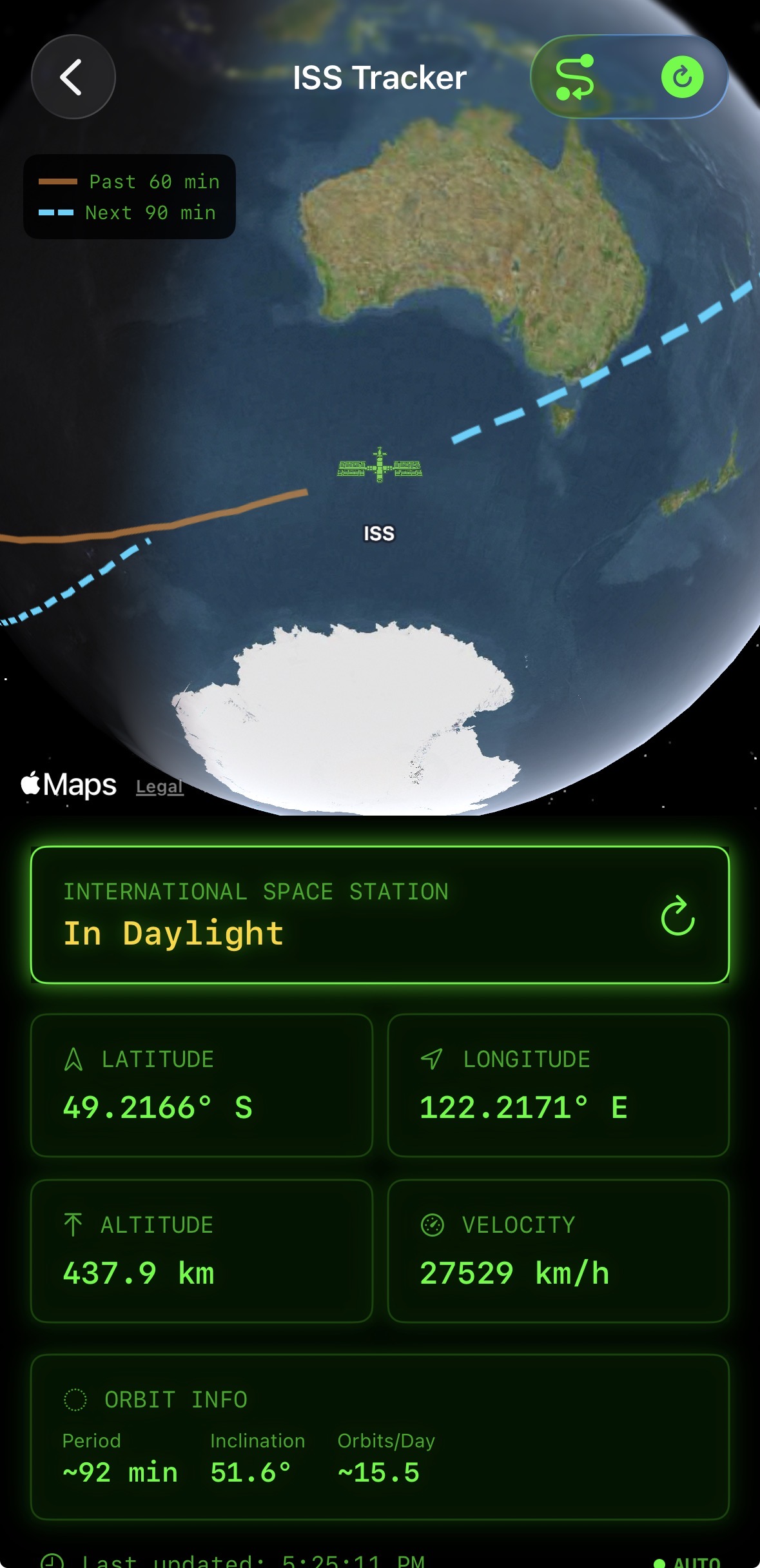
ISS Tracker
Real-time International Space Station position with ground track visualization.
Replaced web-based trackers with native map integration.
Auto-refresh. Always know where the station is.
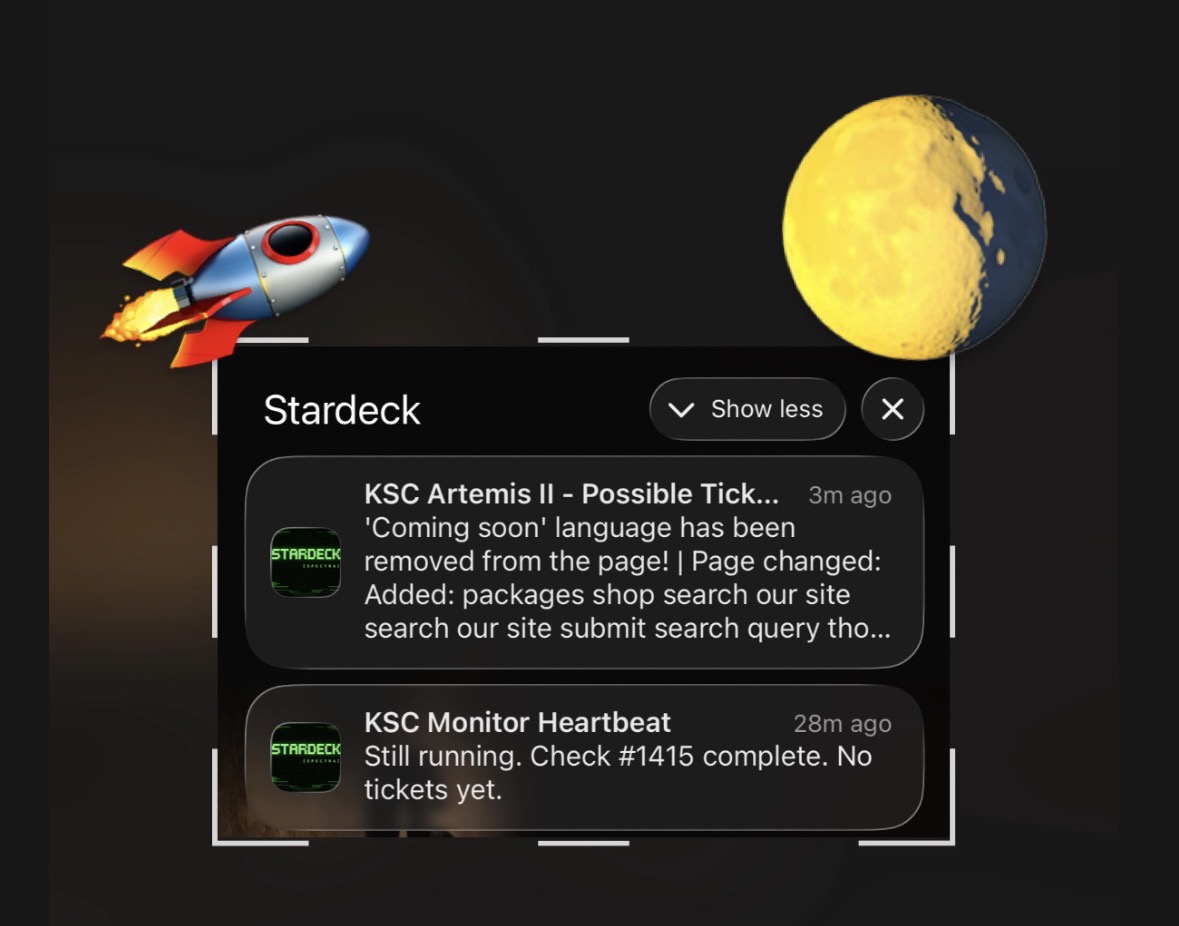
KSC Ticket Monitor
Background script monitoring Kennedy Space Center for Artemis II launch viewing ticket availability.
Replaced obsessive page refreshing with automated detection.
Runs via launchd. Texts when tickets drop.
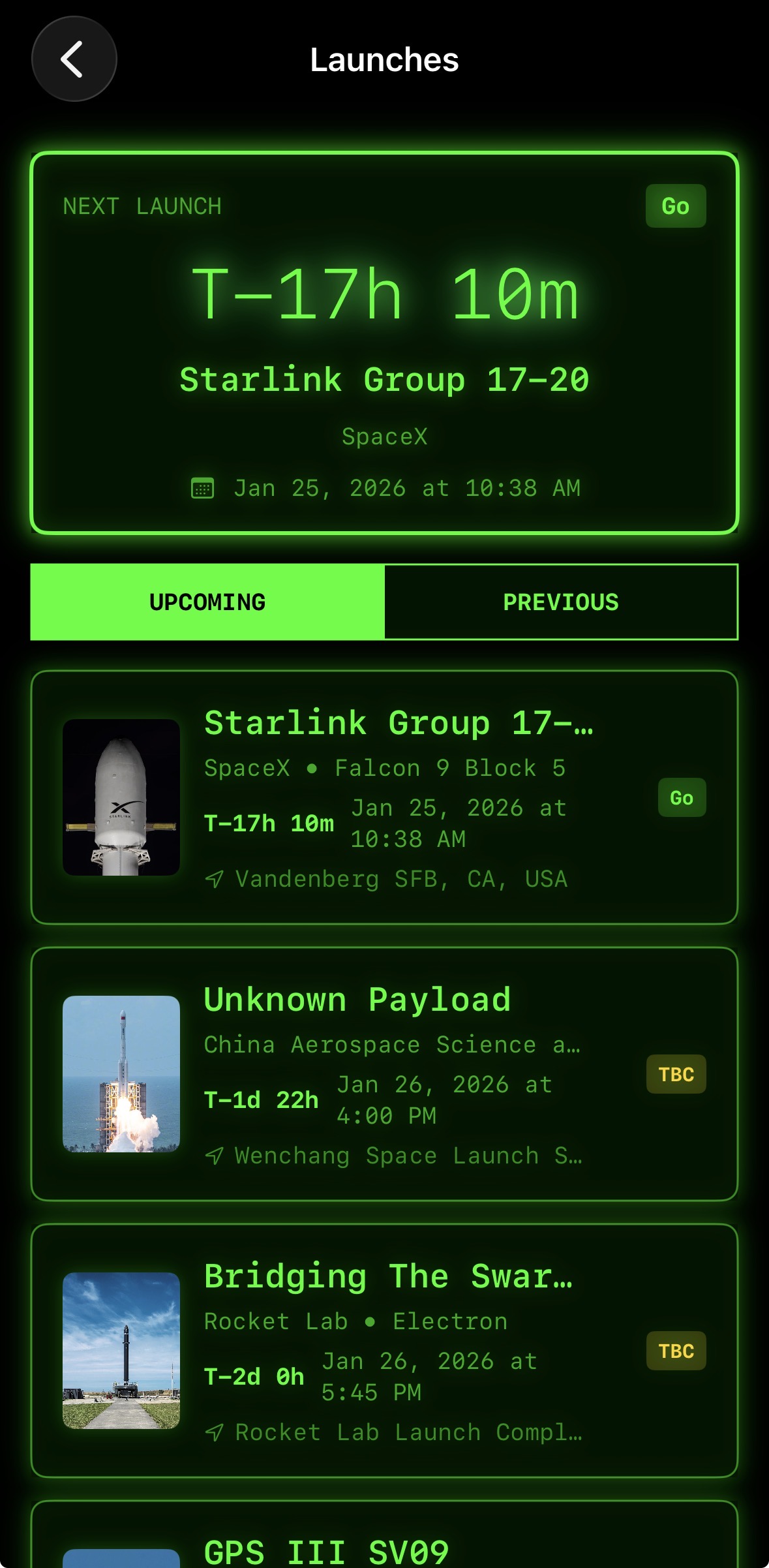
Launches
Real-time rocket launch schedule with countdowns, mission details, and launch pad info.
Replaced checking multiple space news sites.
T-minus display. All the data, push notifications.
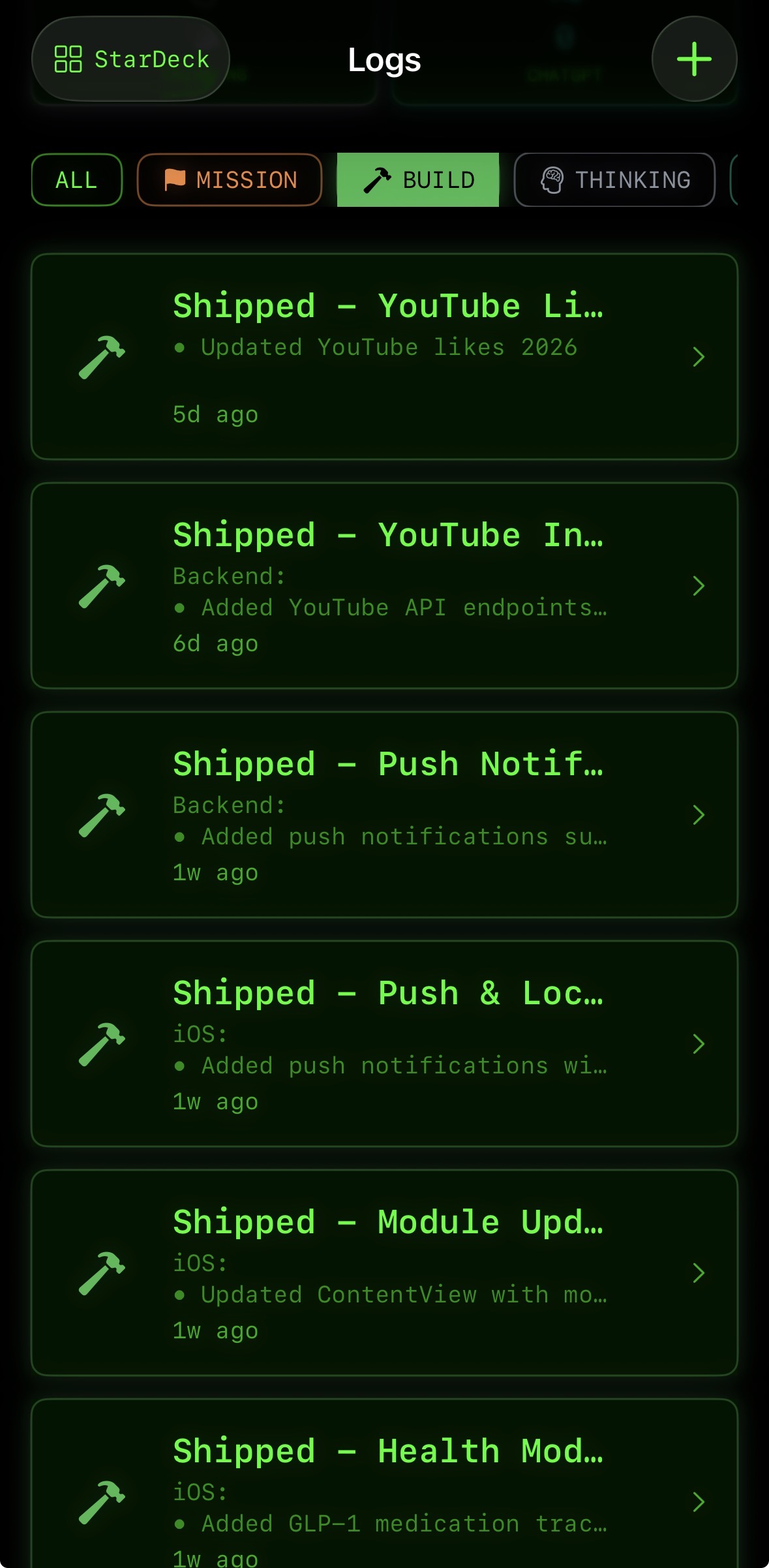
Logs
Personal black box recorder for timestamped notes, events, and observations.
Replaced scattered journals with typed, filterable entries.
Write once. Search later.
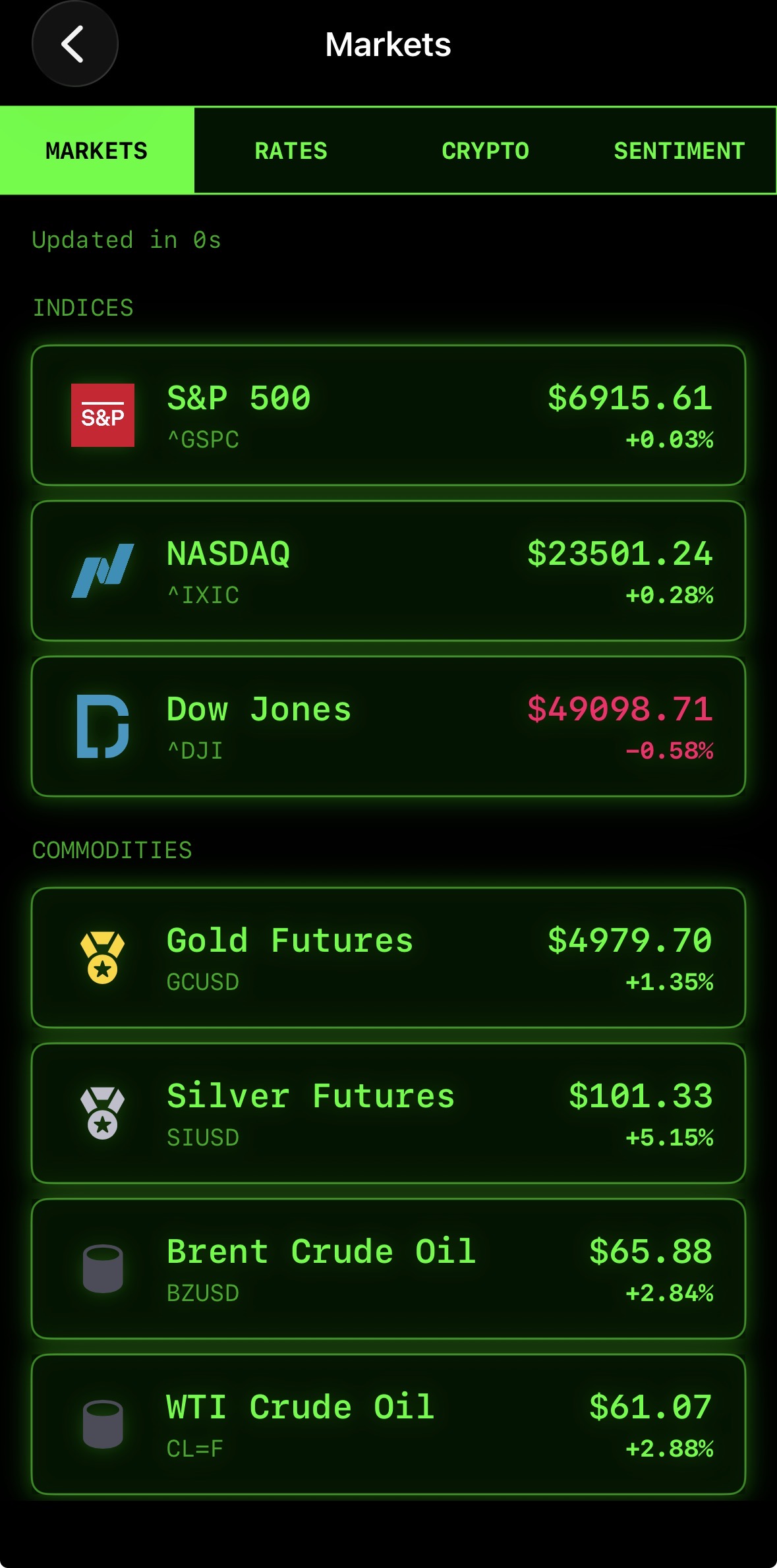
Markets
Personal market data dashboard for tracking indices and signals I care about.
Replaced financial apps with noise-filtered data.
Only what moves the needle. No news.
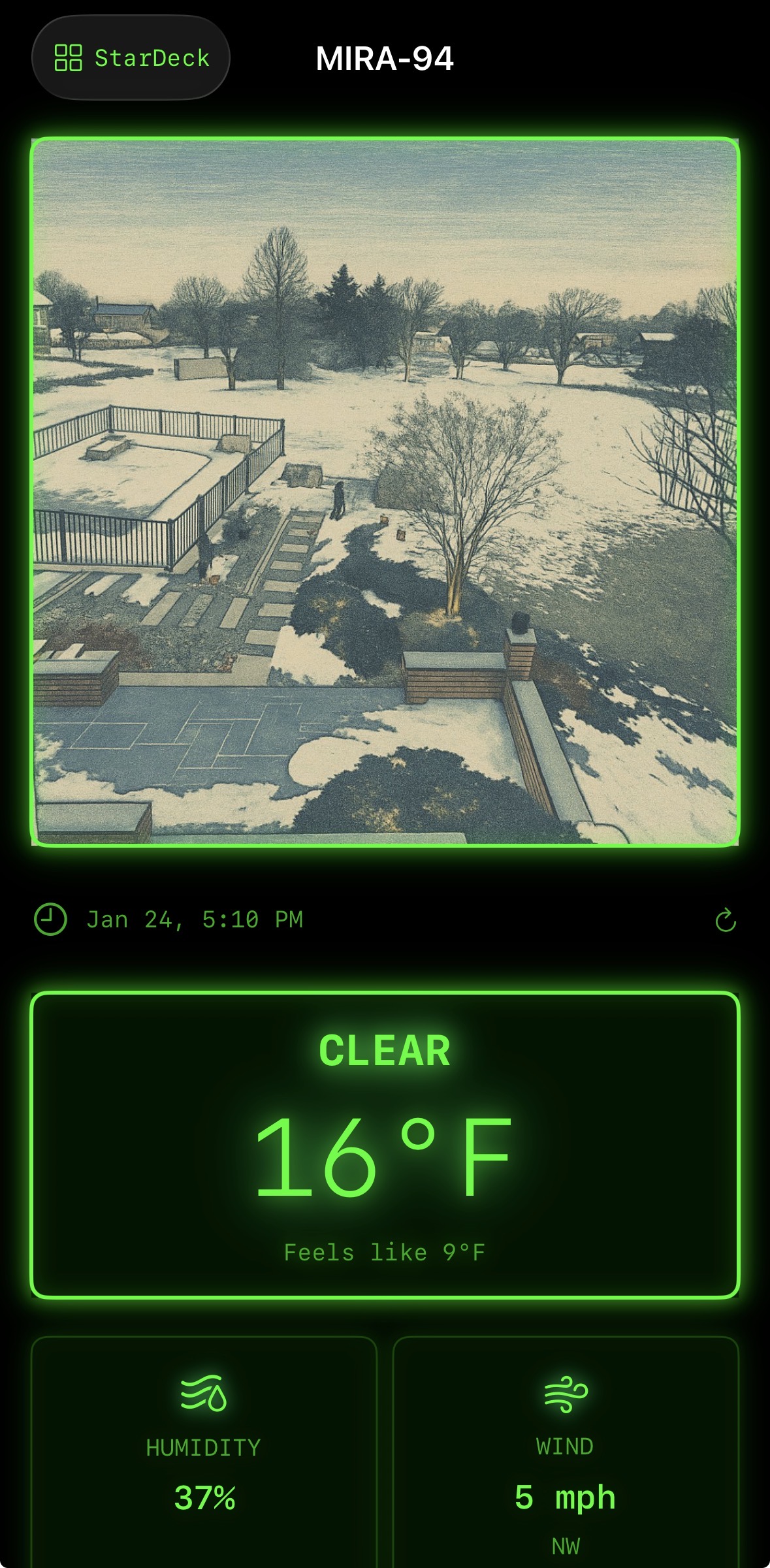
MIRA-94
Weather sensor module that observes outdoor conditions and re-renders them in artistic cyberpunk styles.
Replaced weather apps with custom hardware and generative visuals.
Sensor data becomes art. Weather as aesthetic.
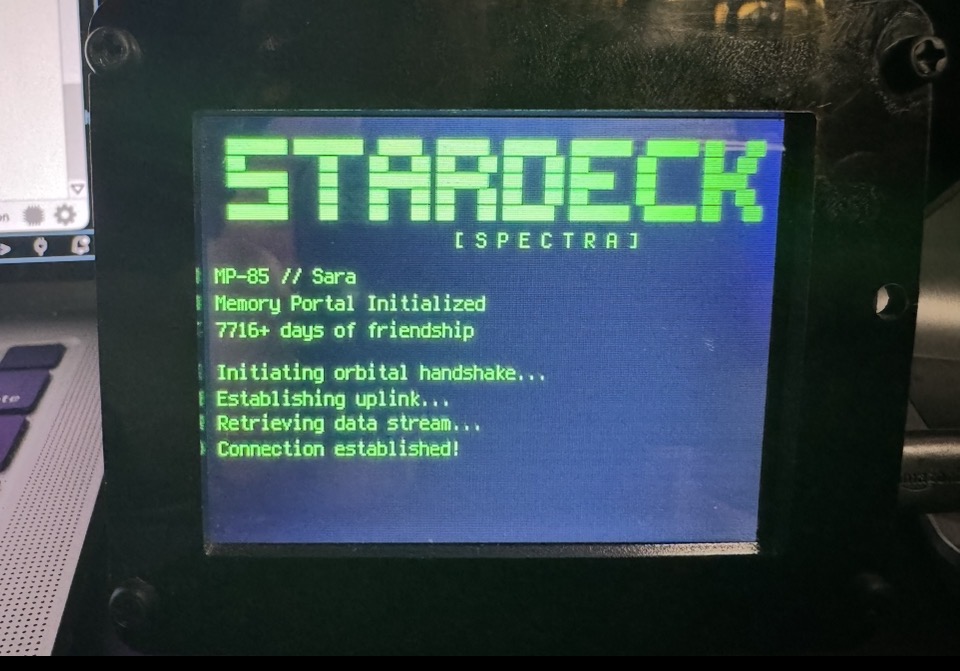
MP-85 (SPECTRA)
PyPortal-based digital photo frame with cloud sync, friendship counter, and StarDeck-themed boot sequence.
Replaced traditional photo frames with auto-syncing slideshow hardware.
Downloads new photos automatically. Memory portal.

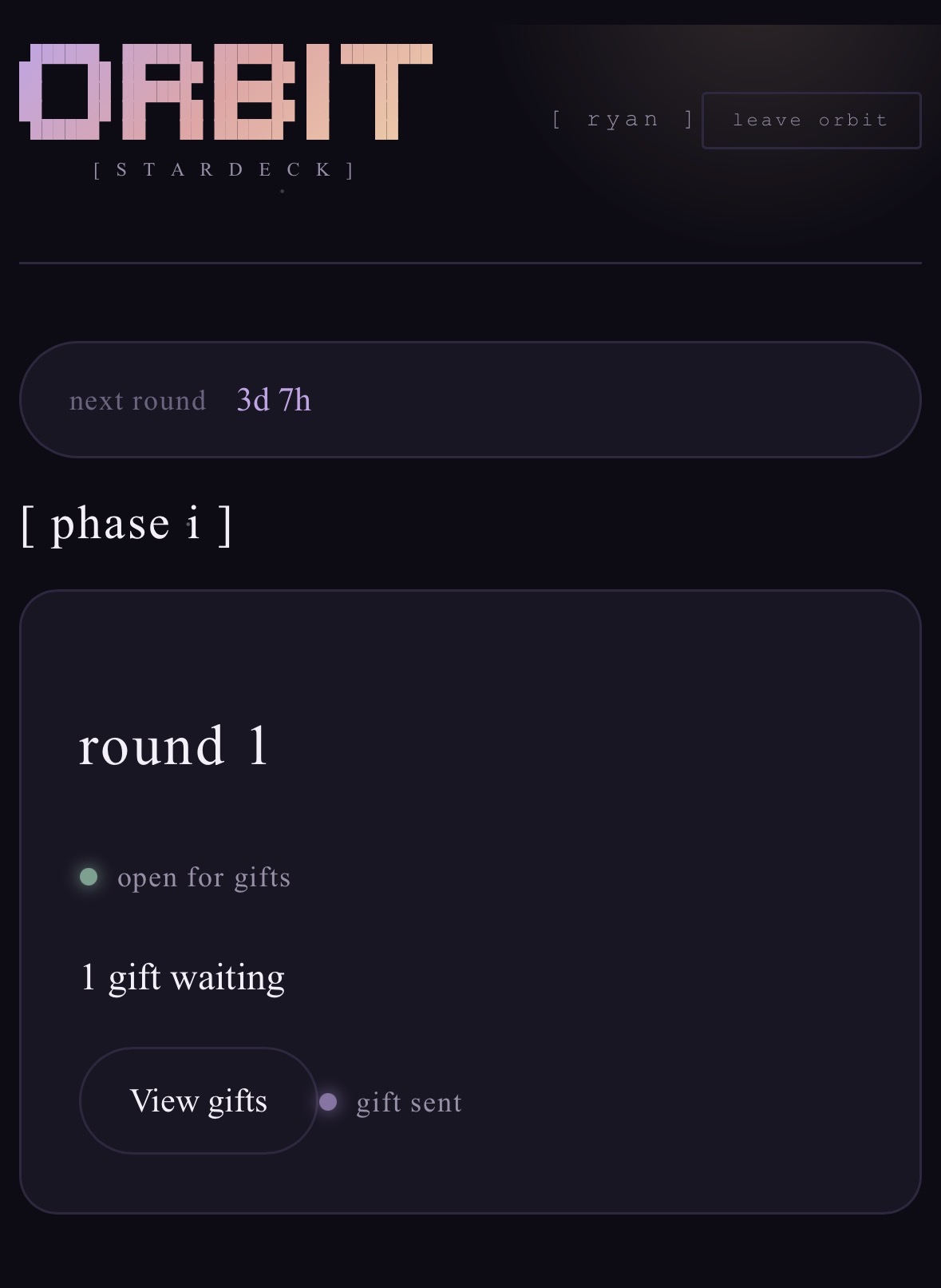
Orbit
Private API exchange where 3 friends gift each other working APIs with personal notes.
Replaced async link sharing with intentional, relationship-first gifting.
24-hour delay before reactions. Absence is valid signal.
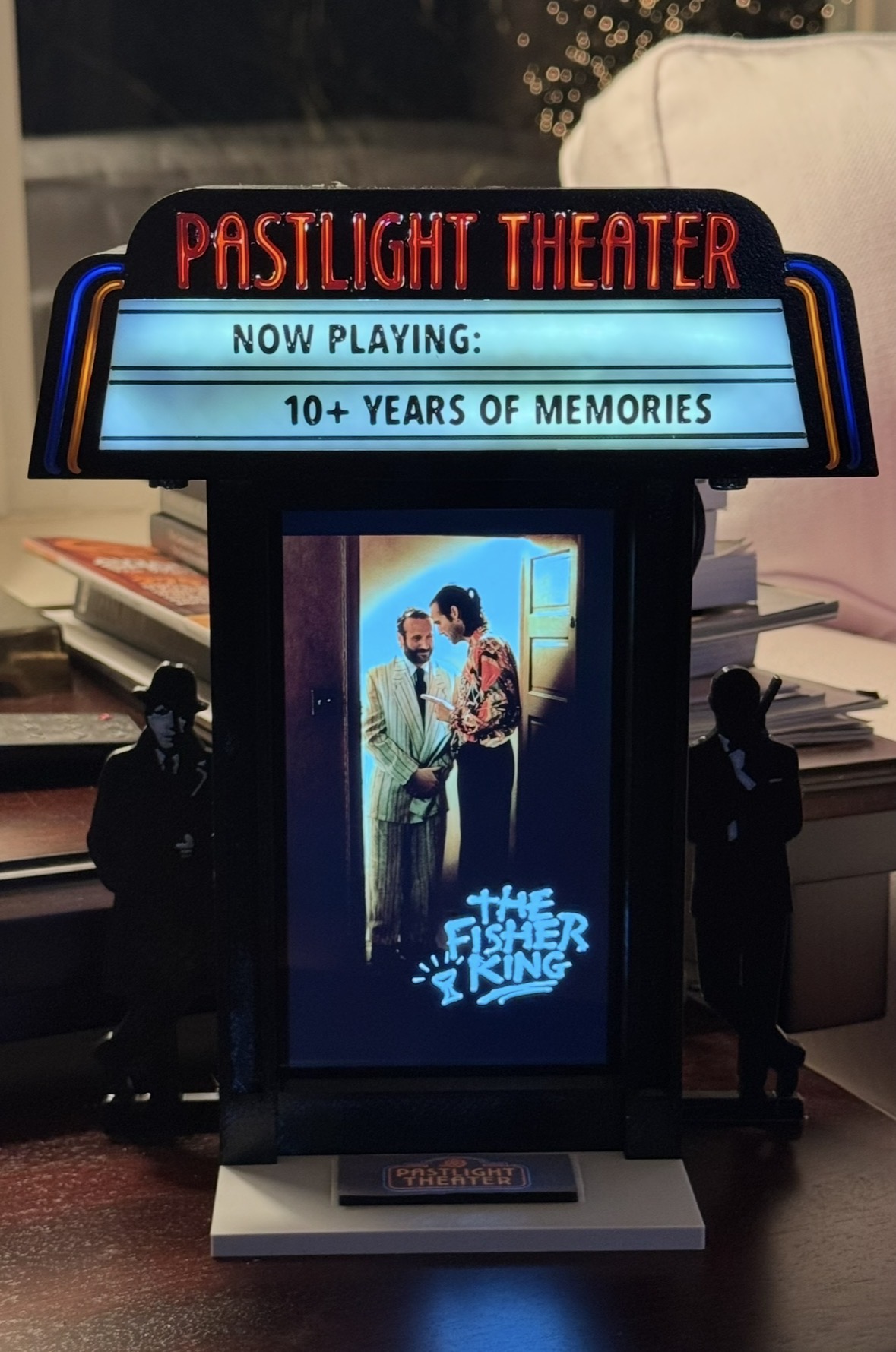
PastLight Frame
Raspberry Pi digital photo frame displaying clean movie posters from every logged movie in the companion app PastLight Theater.
Replaced static photo frames with movie-themed slideshow and generated stats, synced to the app.
Built for dad's house. Hardware extension of PastLight Theater.
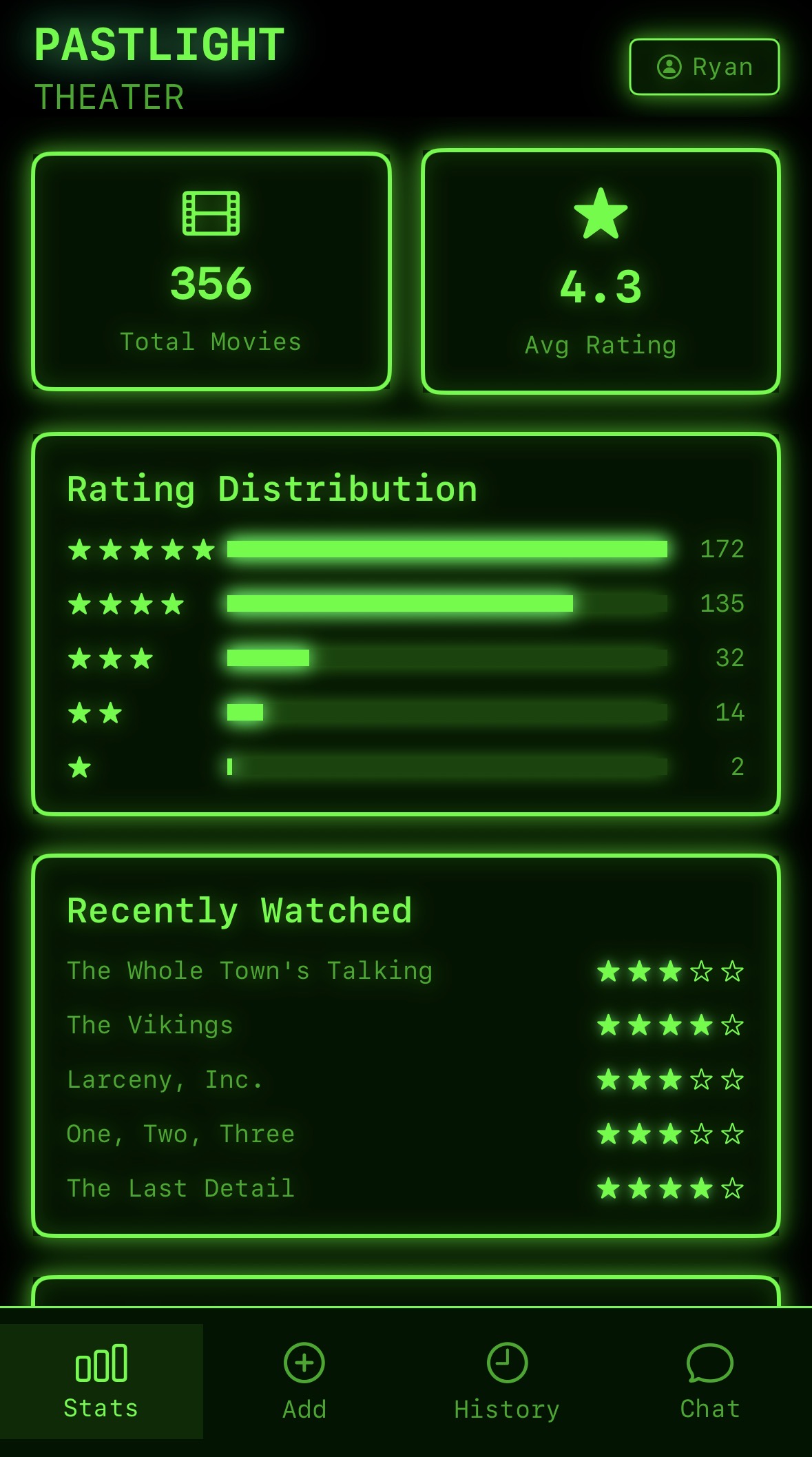
PastLight Theater
2-person movie tracking app for watching classic films with my dad.
Replaced scattered text threads with a shared movie history and ratings.
Two users only. Built for one relationship.
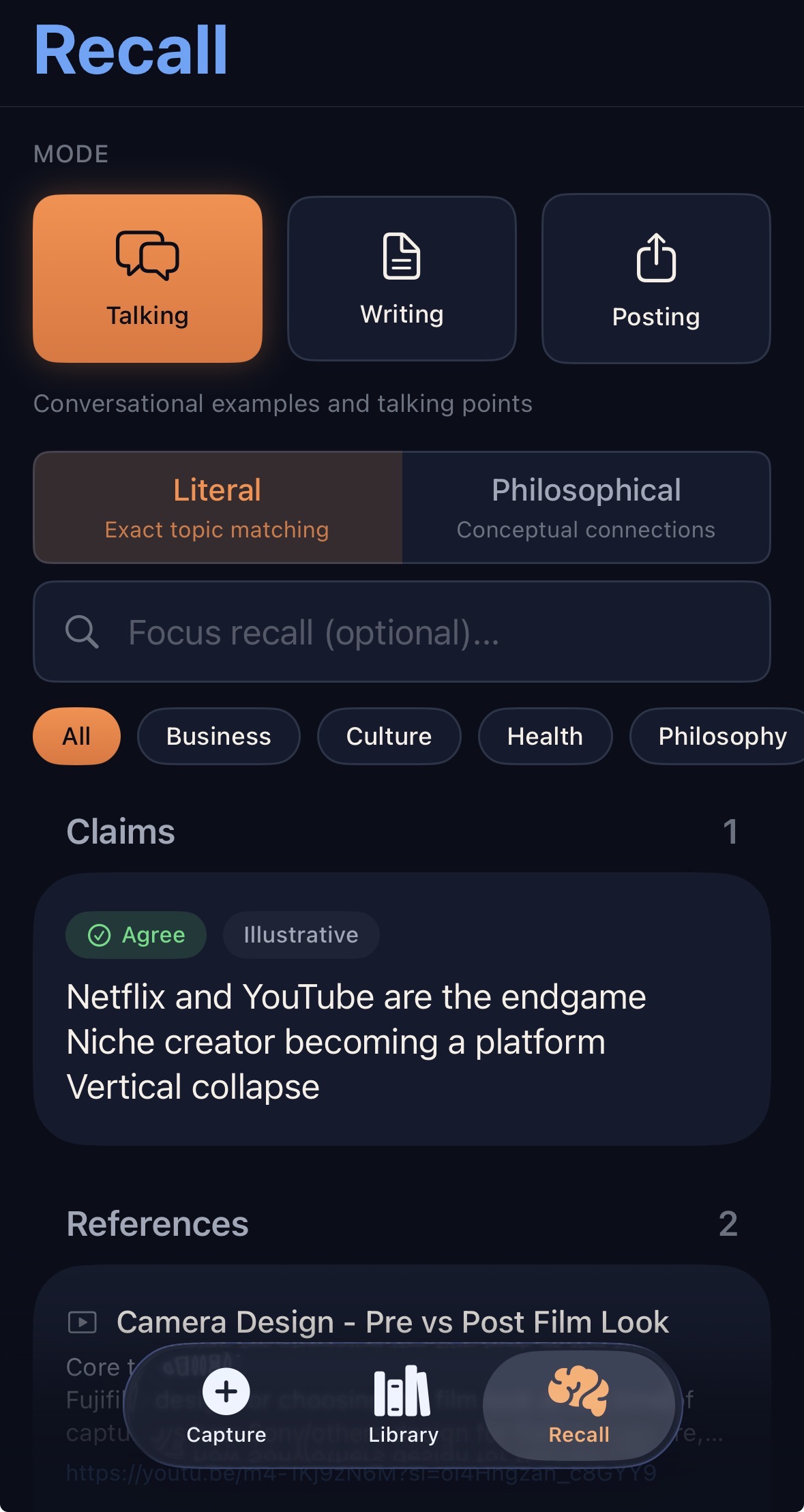
PHASE
Knowledge capture app for retrieving evidence and relevant-to-the-conversation data points without killing the conversation, using semantic search.
Replaced scattered notes with structured claims and stance ratings.
No feeds. No notifications. A library, not a social app.
Phonics Generator
Generates word lists in a custom handwriting font for an English teacher's phonics lessons.
Replaced manual word card creation with automated generation.
Built for one teacher. Her font, her words.
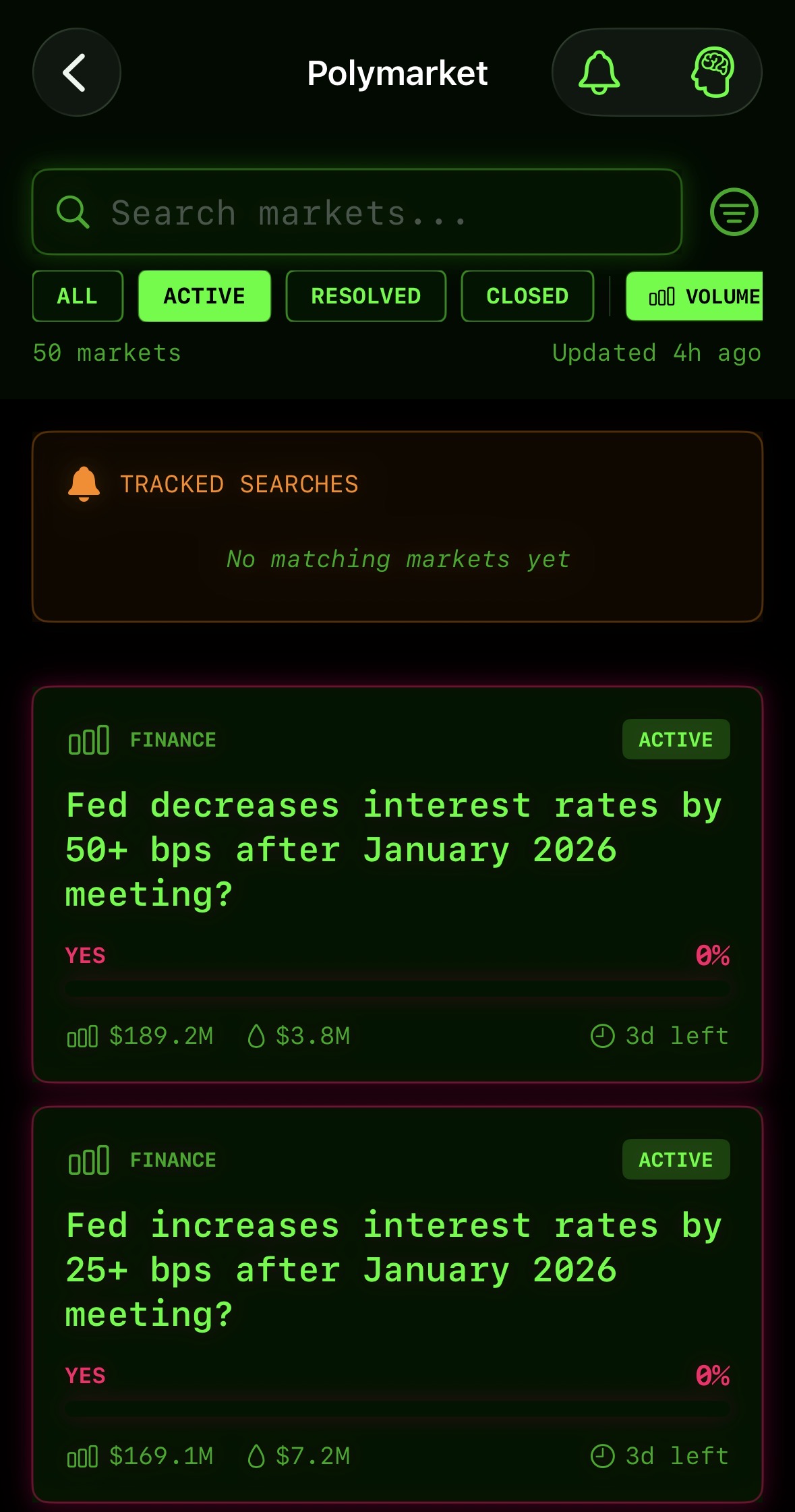
Polymarket
Prediction market browser with custom alerts for markets matching saved search terms.
Replaced manual browsing with automated market discovery.
Alert on new markets. Chat with AI about predictions.
POW
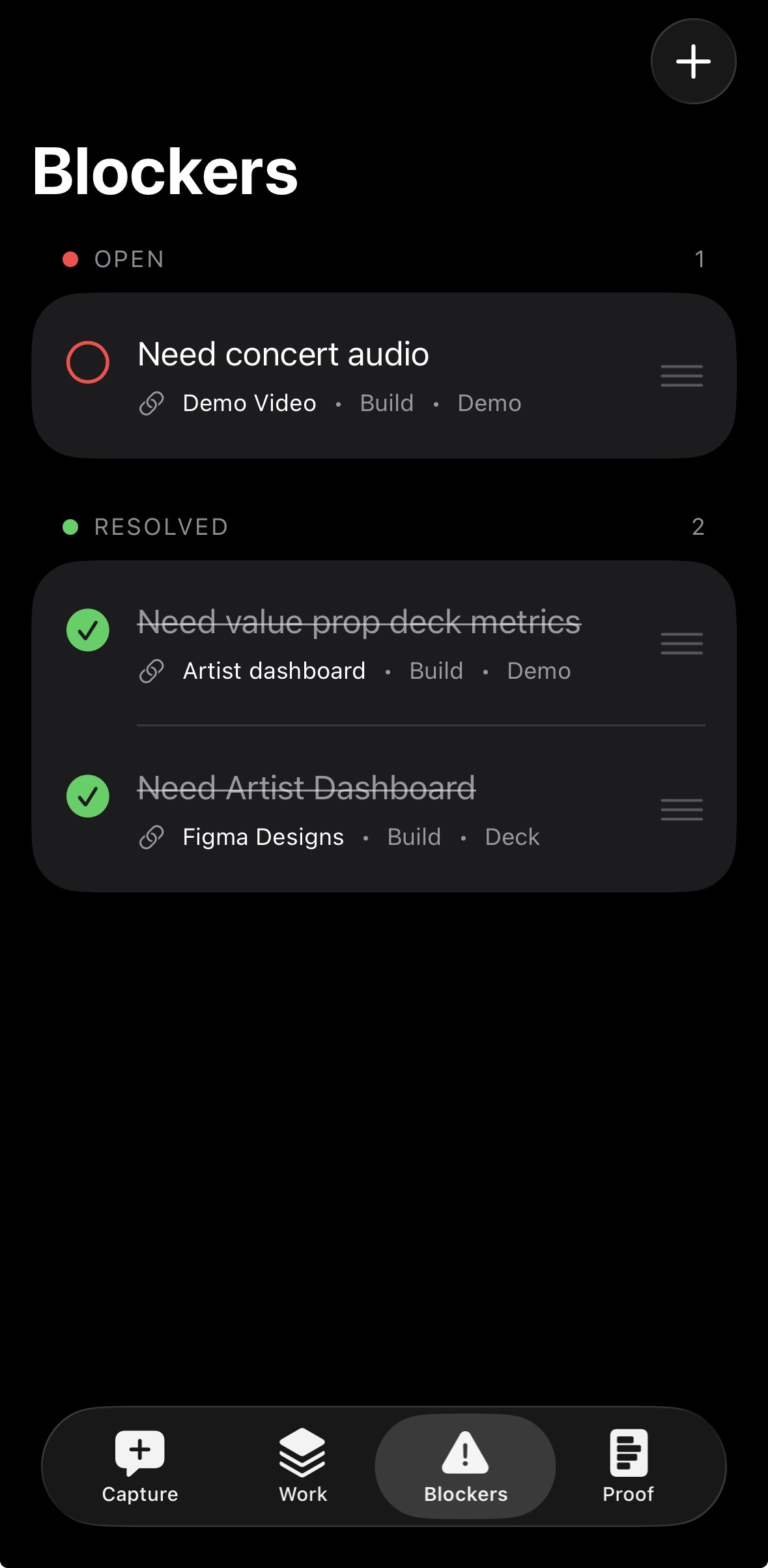
iOS app for daily work tracking with priorities, notes, proof collection, and bottleneck identification.
Replaced scattered task lists with structured daily focus and evidence.
One day at a time. What matters today.
Push Notifications
Personal notification system with scheduled alerts for GLP-1 doses, launches, and daily signals.
Replaced generic reminders with context-aware, deep-linked notifications.
Only alerts I actually want. No spam.
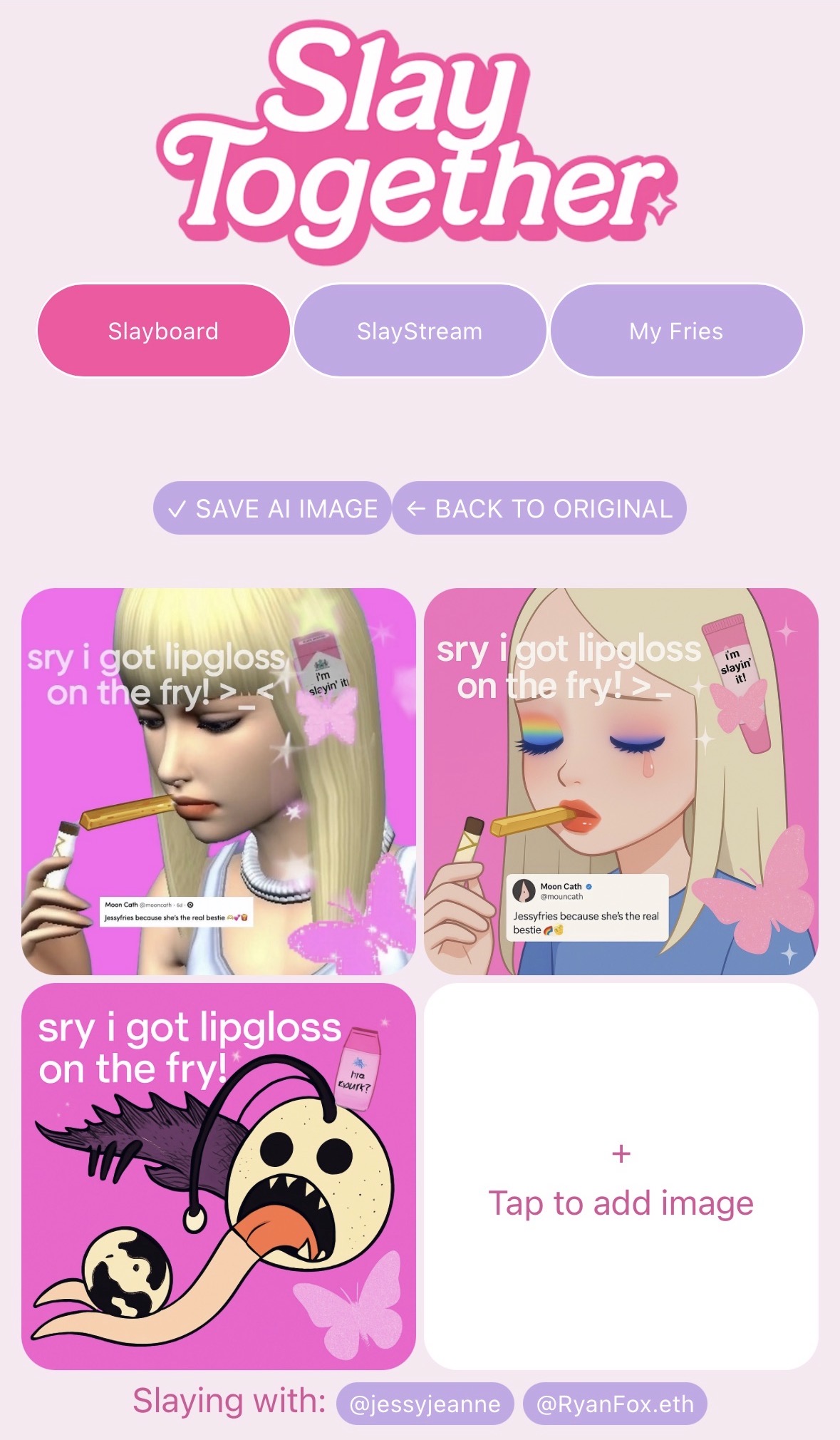
SlayTogether
2-4 person collaborative art app where friends create together in real-time.
Replaced solo drawing apps with multiplayer creative sessions.
Small groups only. Art is social.
SolSeeker
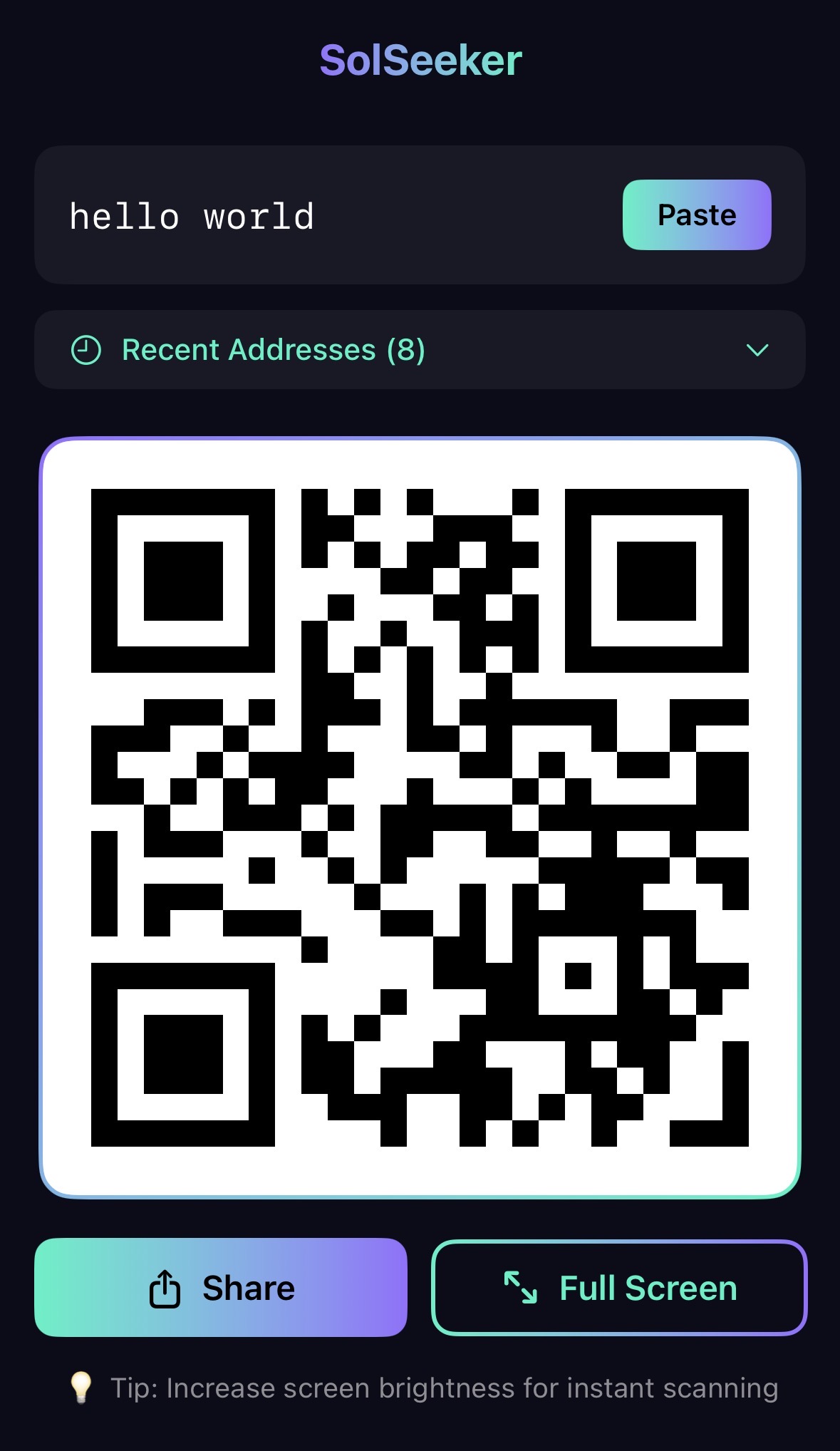
iOS app for generating QR codes from crypto addresses to transfer between phones.
Replaced manual typing of long addresses between devices.
Paste, generate, scan. Address transfer in seconds.
Sora Downloader
Python script to download AI-generated videos from Sora using yt-dlp.
Replaced manual saving of AI-generated videos.
One command. Video saved locally.
Tesla Shop Checker
Monitors Tesla's online shop for inventory changes and restocks.
Replaced manual refreshing with automated alerts.
Check every few minutes. Alert on change.
Video Pipeline
Programmatic video editor using Remotion to generate motion graphics from structured data.
Replaced manual video editing with code-driven composition.
Data in, video out. No timeline scrubbing.
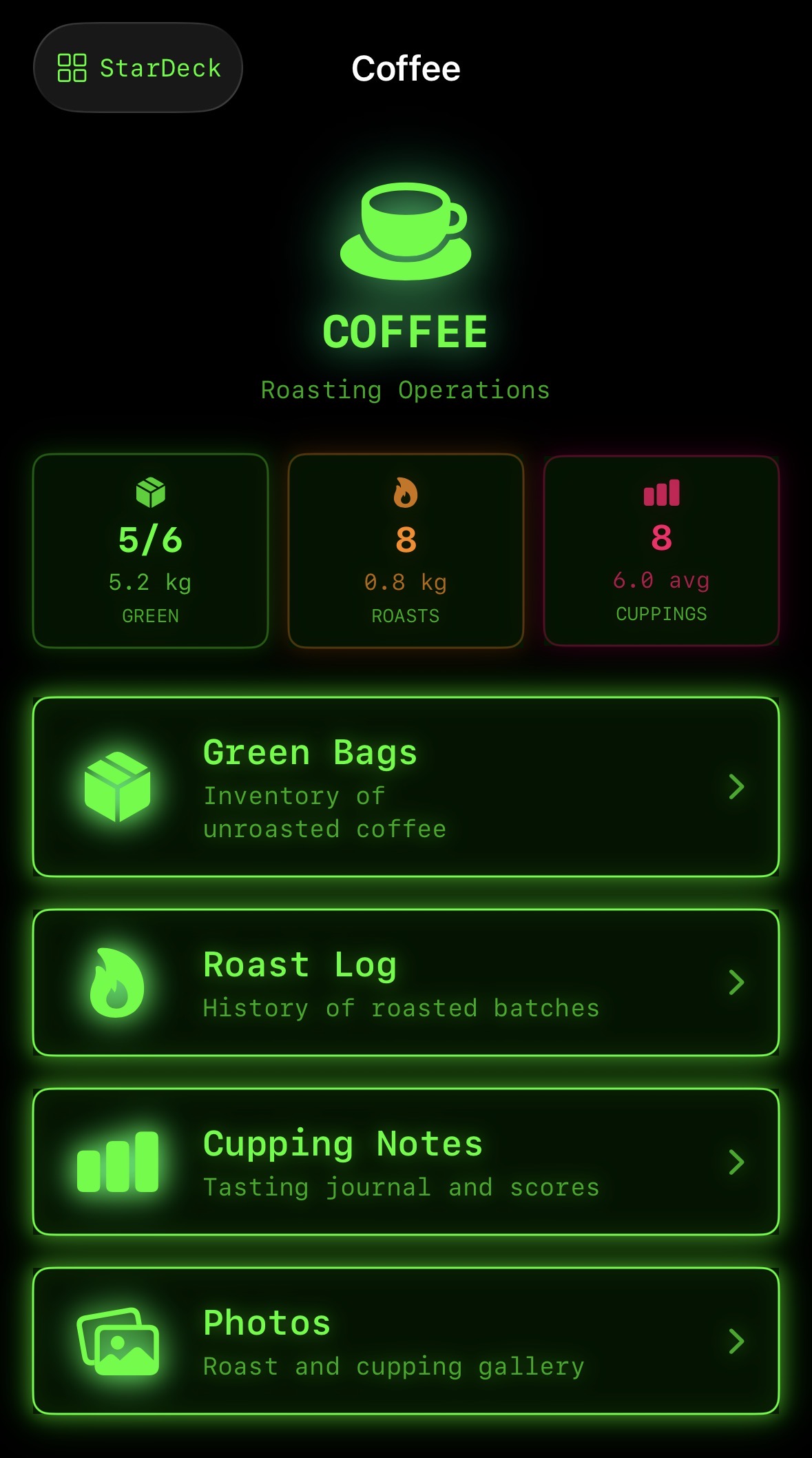
YouTube Ingest
Captures YouTube videos from playlists, stores transcripts, generates AI summaries.
Replaced Watch Later with searchable, summarized content.
Ingest, summarize, recall. Never lose a video.